Haemok Seochon: Trying Michelin-Rated Japanese Eel Rice Bowl Near Gyeongbokgung
Seochon is one of those neighborhoods in Seoul that feels calm even when the rest of the city is busy. Just west of Gyeongbokgung Palace, the area is filled with narrow alleys, hanok houses, quiet cafés, and a handful of restaurants that locals genuinely love.
One place that kept appearing whenever I searched for eel rice in Seoul was Haemok Seochon. Known for its Nagoya-style hitsumabushi — grilled eel served over rice and eaten in several different ways — it’s one of the most talked-about eel restaurants in Seoul.
So during a recent visit to Seochon, we decided to try it ourselves.
I ordered the normal size hitsumabushi, while my companion went for the larger 특 (special) size, which comes with noticeably more eel.
Today’s Stop : Haemok Seochon
Address : Jahamun-ro 26-1, Jongno-gu, Seoul
First Impressions: A Quiet Restaurant in Seochon
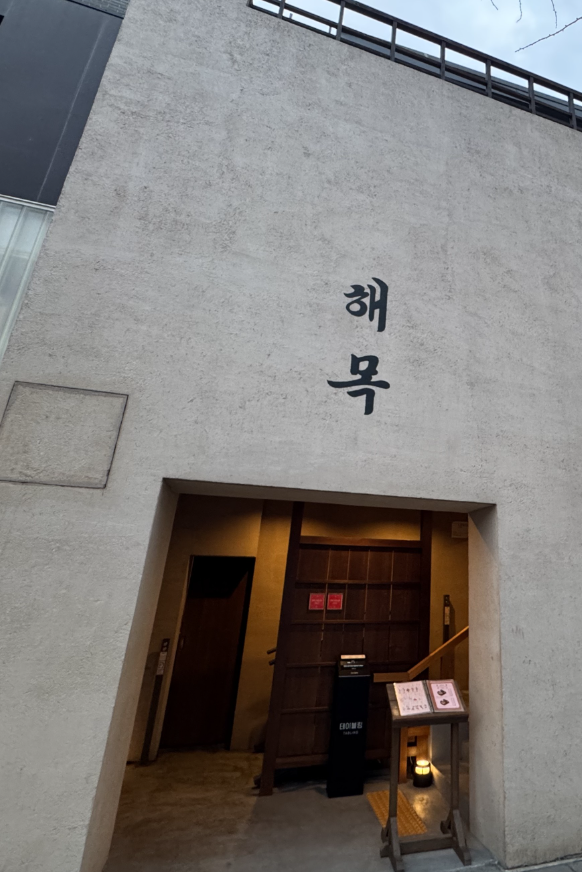
From the outside, Haemok doesn’t look flashy. The building is minimal and understated, with the restaurant name written simply on the wall.
Inside, the atmosphere feels calm and warm. Wooden counters, soft lighting, and simple table settings give it a Japanese restaurant feel without trying too hard.
It’s the kind of place that encourages you to slow down and enjoy the meal rather than rush through it.
The seating arrangement is mostly counter seating and tables, making it comfortable whether you’re visiting alone or with friends.
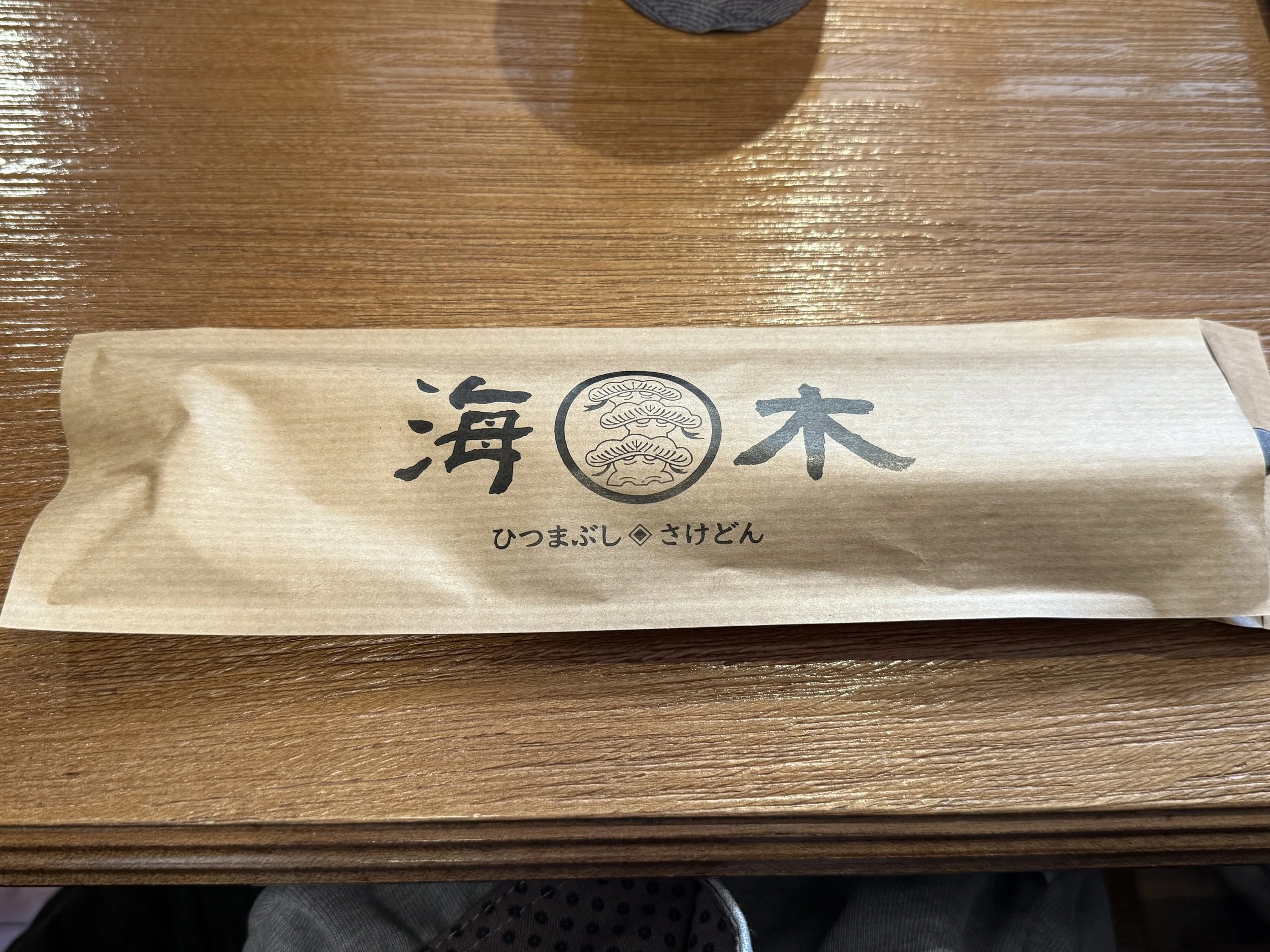
One thing I appreciated immediately was how organized everything felt — from the chopsticks wrapped neatly in branded paper sleeves to the trays used for serving the hitsumabushi set.
A View of a Small Garden
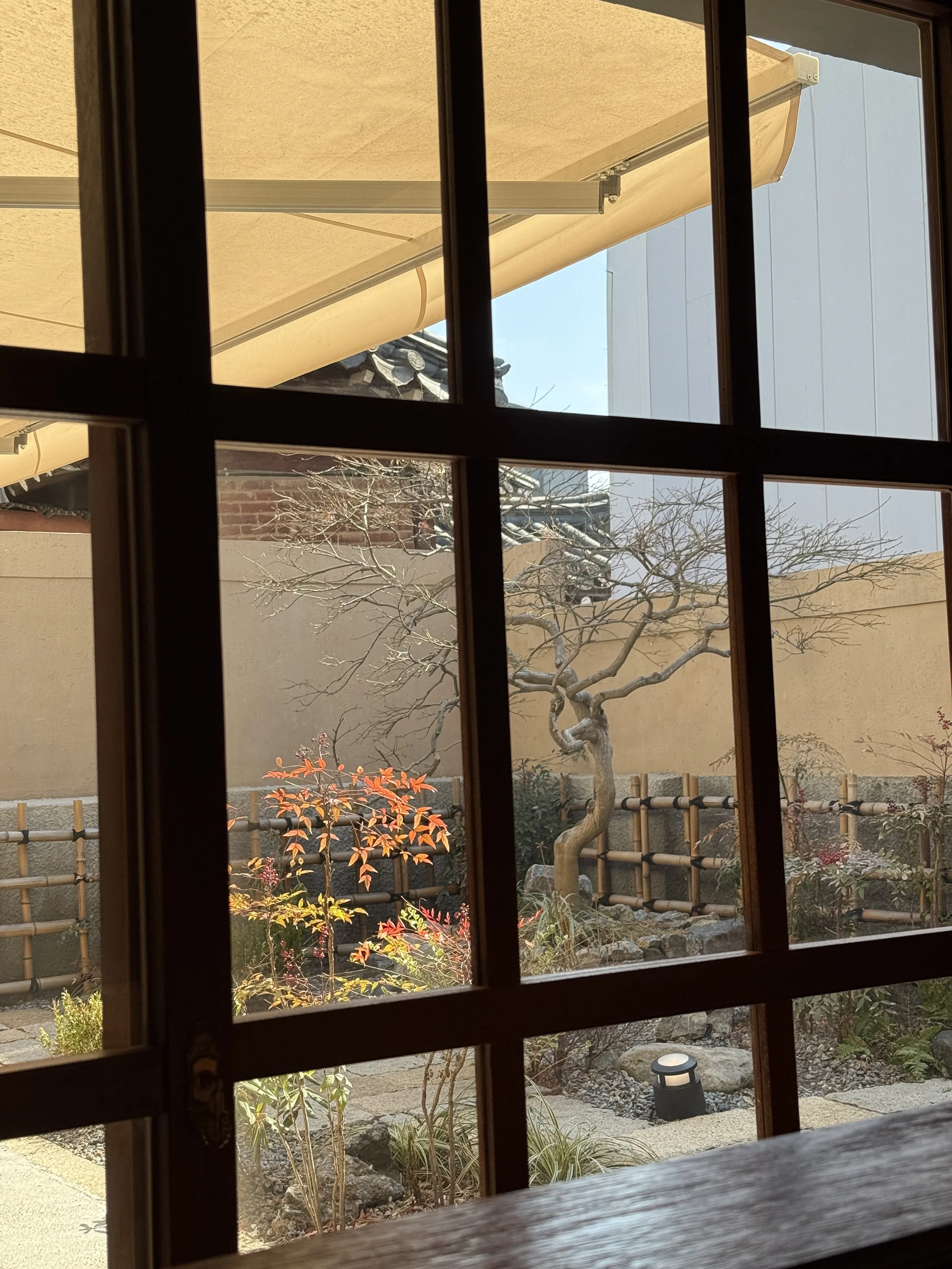
Our seats happened to face a small courtyard visible through a wooden window.
Outside, there was a quiet garden with a small tree and carefully placed stones. The view added a peaceful feeling to the meal, almost like sitting in a traditional house rather than a restaurant.
Seochon has a lot of spaces like this where modern restaurants blend with traditional Korean architecture, and Haemok captures that atmosphere well.
It’s a small detail, but it made the dining experience feel more relaxed.
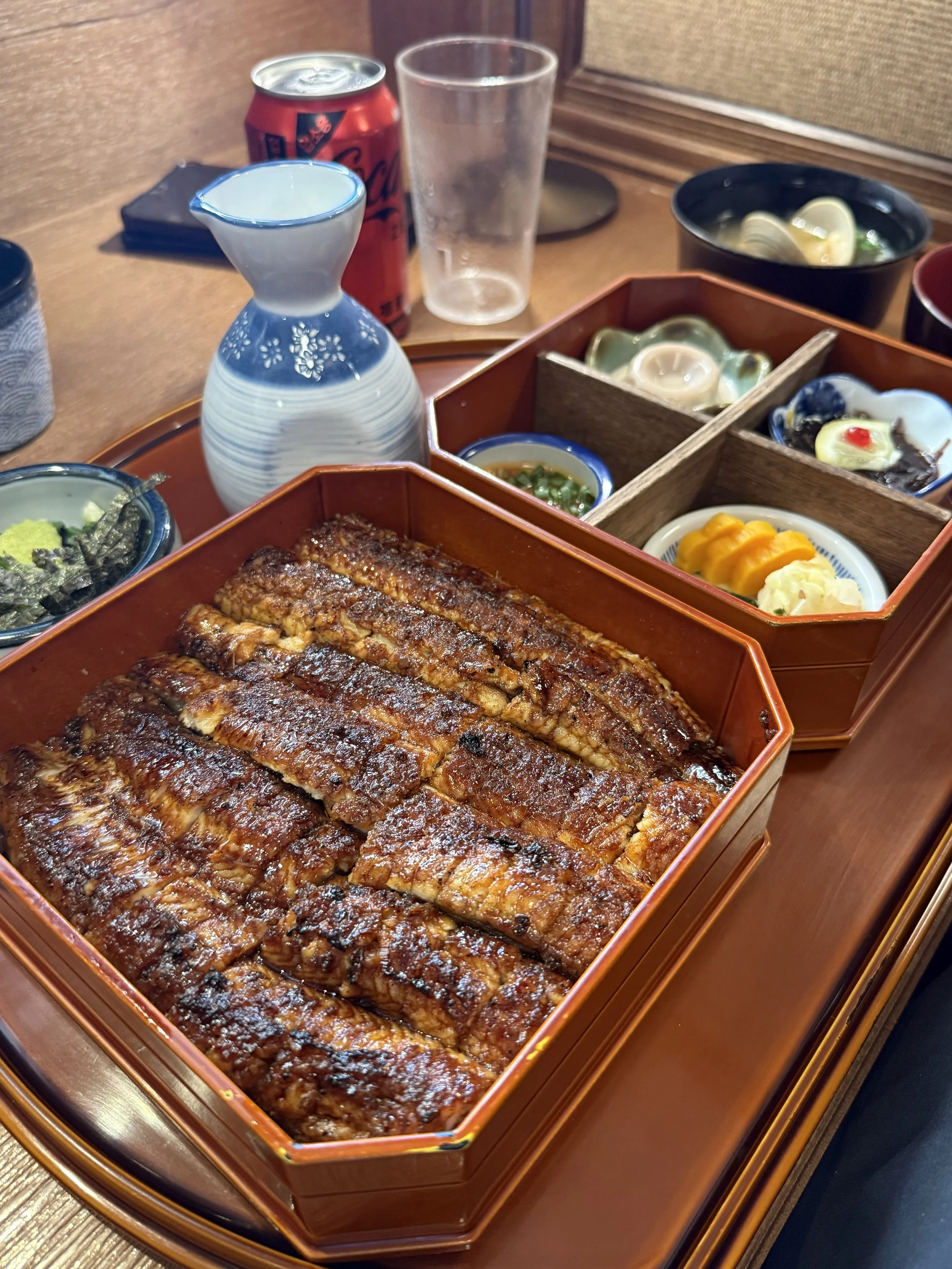
The Hitsumabushi Set Arrives
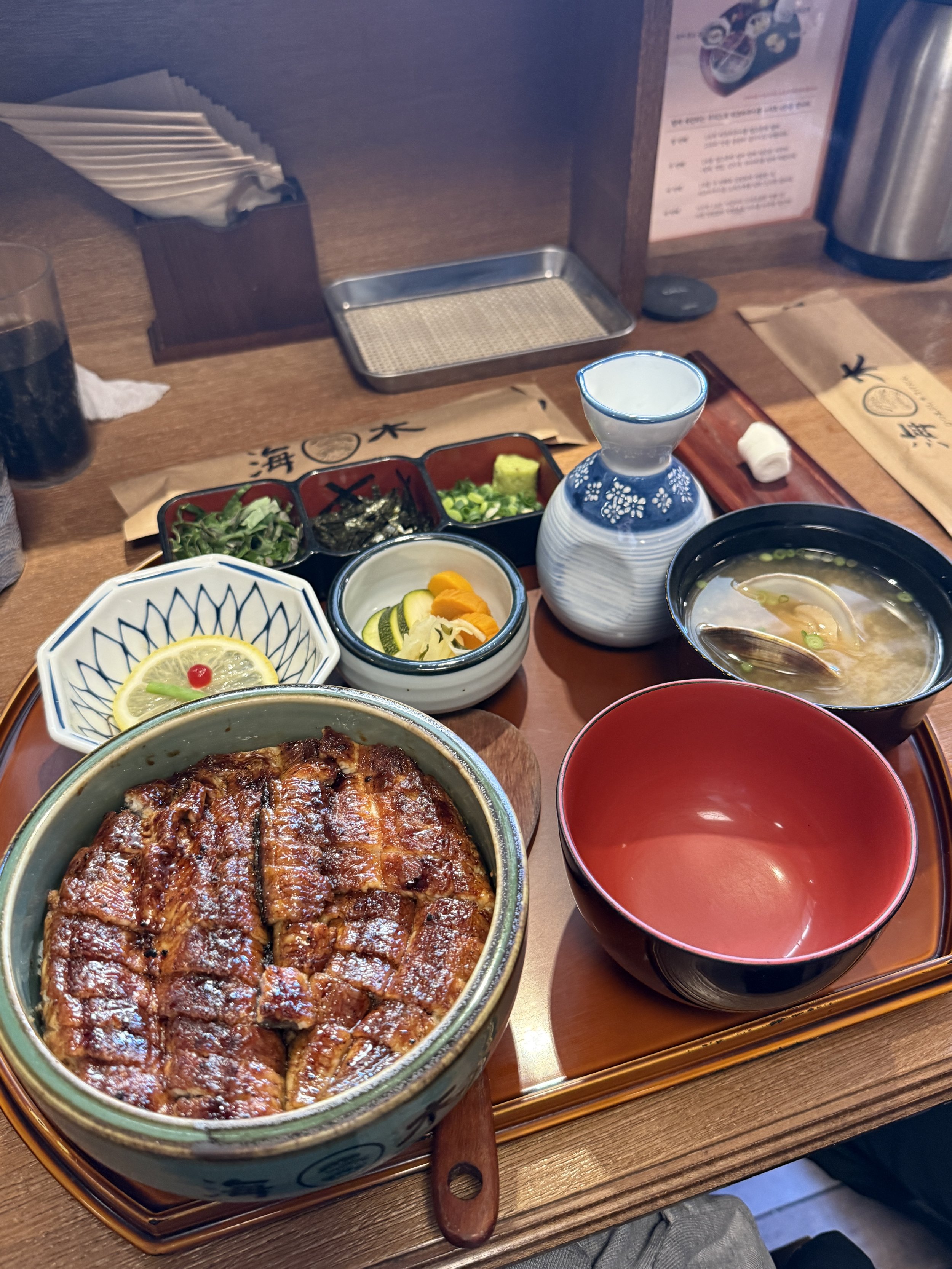
When the food arrived, everything was arranged neatly on a tray.
The set included:
grilled eel over rice
pickles
seaweed
chopped scallions
wasabi
broth for ochazuke
miso soup
small side dishes
My normal size hitsumabushi looked generous already, but my companion’s 특 size was noticeably larger, with thicker portions of eel covering the rice.
The eel itself had a glossy glaze and a light char from grilling.
Even before taking the first bite, the aroma of the sauce was already noticeable.
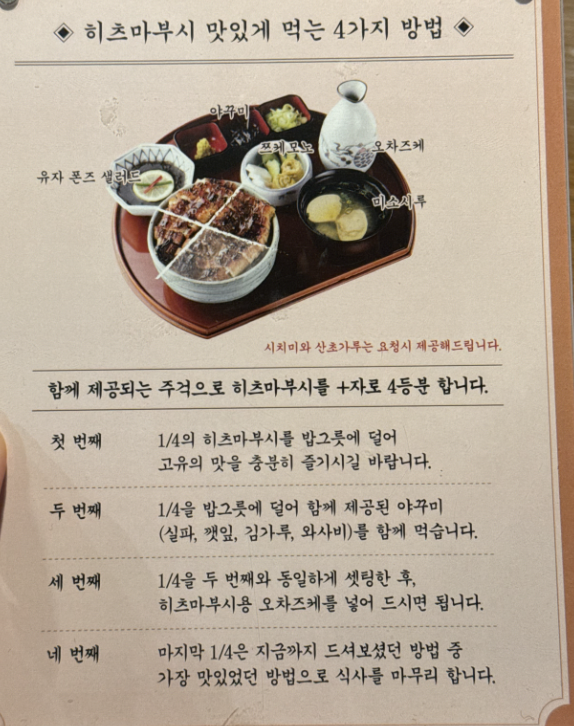
How to Eat Hitsumabushi
If you’ve never had hitsumabushi before, the restaurant actually explains how to eat it.
The dish is traditionally eaten in four steps, which makes the experience more interesting than a normal rice bowl.
First, you eat the eel and rice on its own to appreciate the original flavor.
Second, you add condiments like scallions, seaweed, or wasabi to change the flavor slightly.
Third, you pour the hot broth over the eel and rice to create ochazuke, turning the dish into a comforting soup.
Fourth, you eat the final portion whichever way you liked best.
This method turns a simple rice bowl into a small culinary experience.
Comparing the Normal Size vs 특 (Special) Size
One thing people often wonder when visiting Haemok is whether the normal size is enough.
From our experience, the normal portion was already satisfying. The eel covered most of the rice, and the flavor was rich enough that you didn’t need a huge amount.
The 특 (Special) size, however, is clearly meant for people who want more eel or simply have a bigger appetite. The extra portion makes the dish look much more luxurious.
If you’re visiting with someone, ordering one normal and one 특 size is actually a good idea because you can compare both.
The Flavor of the Eel
The eel itself was soft, slightly smoky, and coated in a sweet-savory glaze.
It had the kind of richness you expect from grilled eel but wasn’t overly heavy. The rice absorbed some of the sauce, making every bite flavorful.
Adding the condiments changed the experience quite a bit. The wasabi added a subtle sharpness, while the seaweed and scallions gave it freshness.
The ochazuke version was especially comforting.
Pouring the hot broth over the eel and rice transformed the dish into something closer to soup — warm, light, and soothing.
It’s easy to see why this style of eating eel is so popular in Japan.
Why Haemok Became Popular in Korea
Although hitsumabushi is originally from Nagoya in Japan, Haemok played a big role in introducing the dish to a wider audience in Korea.
The brand first became famous in Busan before expanding to Seoul.
What makes Haemok stand out is that it focuses on just a few dishes done very well, rather than offering a huge menu.
This focus on quality is probably why the restaurant consistently attracts long lines during peak hours.
Visiting Haemok in Seochon
Because the restaurant is located in Seochon, it’s very easy to combine with sightseeing nearby.
Many people visit after exploring:
Gyeongbokgung Palace
Seochon cafés
small art galleries
traditional hanok streets
The area itself is worth exploring even if you’re not specifically coming for the restaurant.
Is Haemok Worth Visiting?
After trying both portion sizes and experiencing the hitsumabushi style meal, it’s easy to understand why Haemok is so popular.
The restaurant offers something a little different from the usual Korean dining experience.
Instead of grilling meat or eating stews, you get a carefully prepared eel dish that encourages you to eat slowly and enjoy each stage of the meal.
Between the peaceful setting, the well-prepared eel, and the unique way of eating hitsumabushi, the experience feels memorable rather than ordinary.
FAQ: Haemok Seochon
What is Haemok Seochon known for?
Haemok Seochon is known for hitsumabushi, a Nagoya-style grilled eel rice bowl that is eaten in several stages with condiments and broth.
Where is Haemok Seochon located?
The restaurant is located in Seochon in Jongno-gu, Seoul, near Gyeongbokgung Station.
What is Hitsumabushi?
Hitsumabushi is a Japanese eel rice dish from Nagoya. It is traditionally eaten in multiple steps: plain, with condiments, and with broth poured over the rice.
What is the difference between the Normal and Special size?
The normal size is already filling for most people. The Special size includes 1.5x eel and is better for larger appetites.
Is Haemok Seochon worth visiting?
Yes, especially for visitors interested in Japanese eel dishes or unique dining experiences in Seoul.
Do you need to wait in line?
Because Haemok is popular, waiting times can happen during peak lunch and dinner hours. We visited at opening hours at 11 a.m. and most of the tables were already filled.
