Dubai Chewy Cookie (두바이 쫀득쿠키) : What It Is, Why It’s Everywhere, and How the Trend Took Off
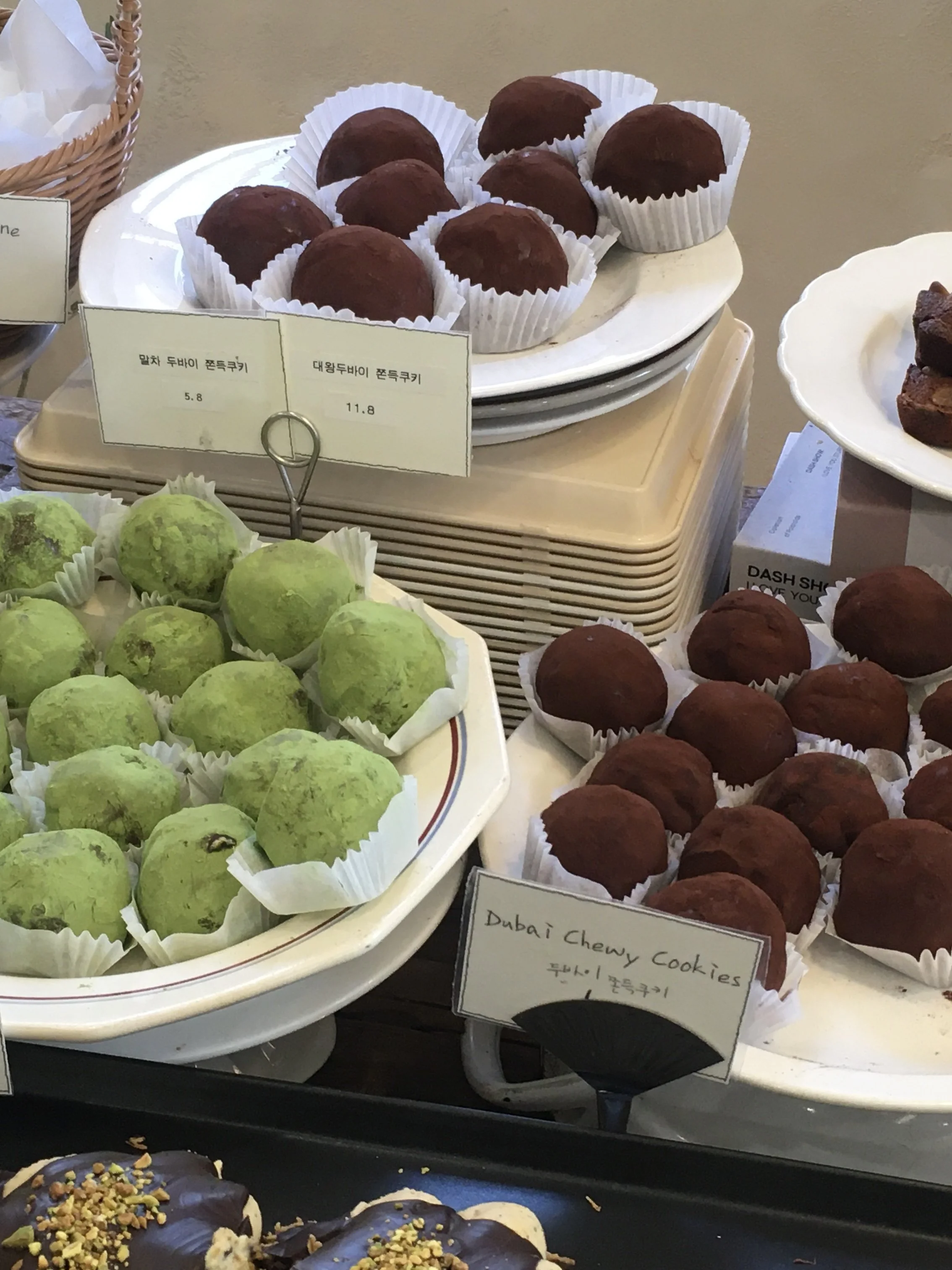
If you’ve seen it online, you already know the routine: someone slices a cocoa-dusted ball, the inside looks glossy and rich, you hear the crunch, and then the center stretches in a way that’s basically engineered for short-form video.
That dessert is 두바이 쫀득쿠키 (dubai jjeonduk-cookie), usually shortened to 두쫀쿠 (du-jjeon-ku). Despite the word “cookie,” what’s trending in Korea right now is not a baked cookie. It’s a ball-shaped dessert built around a chewy marshmallow shell and a crunchy, nutty filling—then finished with cocoa powder for that “truffle” look.
This post breaks down:
what Dubai Chewy Cookie actually is (based on how it’s being made and described),
the exact ingredient logic behind the trend,
how the viral Dubai chocolate wave turned into Korea’s latest obsession,
and why it keeps spreading (including the controversies).
What Is Dubai Chewy Cookie, Exactly?
In Korean coverage, 두쫀쿠 is described as a dessert made by mixing butter-fried kadayif and pistachio cream into a marshmallow mixture, shaping it into a ball, and coating/dusting it—often with cocoa. The key point: the name says cookie, but the eating experience is closer to chewy rice cake + crunchy pastry strands.
What people expect when they buy a “real” 두쫀쿠 is consistent:
Outside: chewy, slightly dense, chocolatey (often cocoa-based)
Inside: pistachio-forward, rich, slightly sweet, with a kadayif crunch
Finish: cocoa powder dusting
It’s not trying to be a “crispy cookie.” It’s trying to be 쫀득 (chewy) + 바삭 (crispy), with a dramatic cross-section.
Ingredients Breakdown :
Filling ingredients
1) Pistachio paste
This is the main flavor identity. It’s the “Dubai chocolate” signature: pistachio cream richness.
2) White chocolate
White chocolate acts like a binder + stabilizer. It firms the filling when it cools, gives a smoother mouthfeel, and makes the pistachio taste rounder (less sharp).
3) Kadayif (kataifi)
Kadayif is the “crunch engine.” Toasted in butter, it becomes brittle and crisp. In the filling, it adds:
crunch sound (ASMR)
texture contrast against the chew
a visual “strand” look that reads as premium/foreign
This pistachio + kadayif combination is the same texture logic that made the earlier Dubai chocolate bar go viral globally.
Shell ingredients
1) Marshmallow
Marshmallow is where the chewiness comes from—stretch, chew, and soft resistance. It also makes the dessert easy to shape.
2) Butter
Butter gives flavor, but also prevents the marshmallow shell from turning rubbery. It keeps it richer and more “dessert-like.”
3) Cocoa powder
Cocoa shifts the profile from “sweet marshmallow candy” into “chocolate dessert.” It also helps the shell feel less sticky and more workable.
Finish
Dusted with cocoa powder
This does two things:
makes it look like a truffle / premium confection
reduces stickiness and improves handling
Why It’s Called “Dubai” When It’s a Korean Trend Dessert
Two things can be true at once:
Dubai Chewy Cookie is a Korean trend dessert format (ball, marshmallow shell, cocoa dust)
Its identity is heavily linked to the earlier viral Dubai chocolate flavor/texture combo (pistachio + kadayif + chocolate)
Korean reporting consistently ties “Dubai” naming to the ingredient cues and the earlier Dubai chocolate phenomenon.
So “Dubai” here functions like a trend label: it signals “that pistachio-kadayif luxury dessert vibe,” not a protected origin.
Where the Trend Really Comes From: The Dubai Chocolate Bar Wave
To understand dubai chewy cookie, you have to understand the earlier wave: Dubai chocolate.
Multiple reputable outlets describe the viral “Dubai chocolate bar” as being associated with FIX Dessert Chocolatier and gaining global traction after a December 2023 viral TikTok video showcasing the bar’s crunchy shredded pastry filling and pistachio center.
Key details that mattered for virality:
the bright pistachio filling
the crunch from kataifi/kadayif
the “break it open” moment (visual payoff)
the feeling that it was hard to get / limited / exclusive (which drives demand)
That created a template: pistachio + crispy strands + chocolate + viral cross-section.
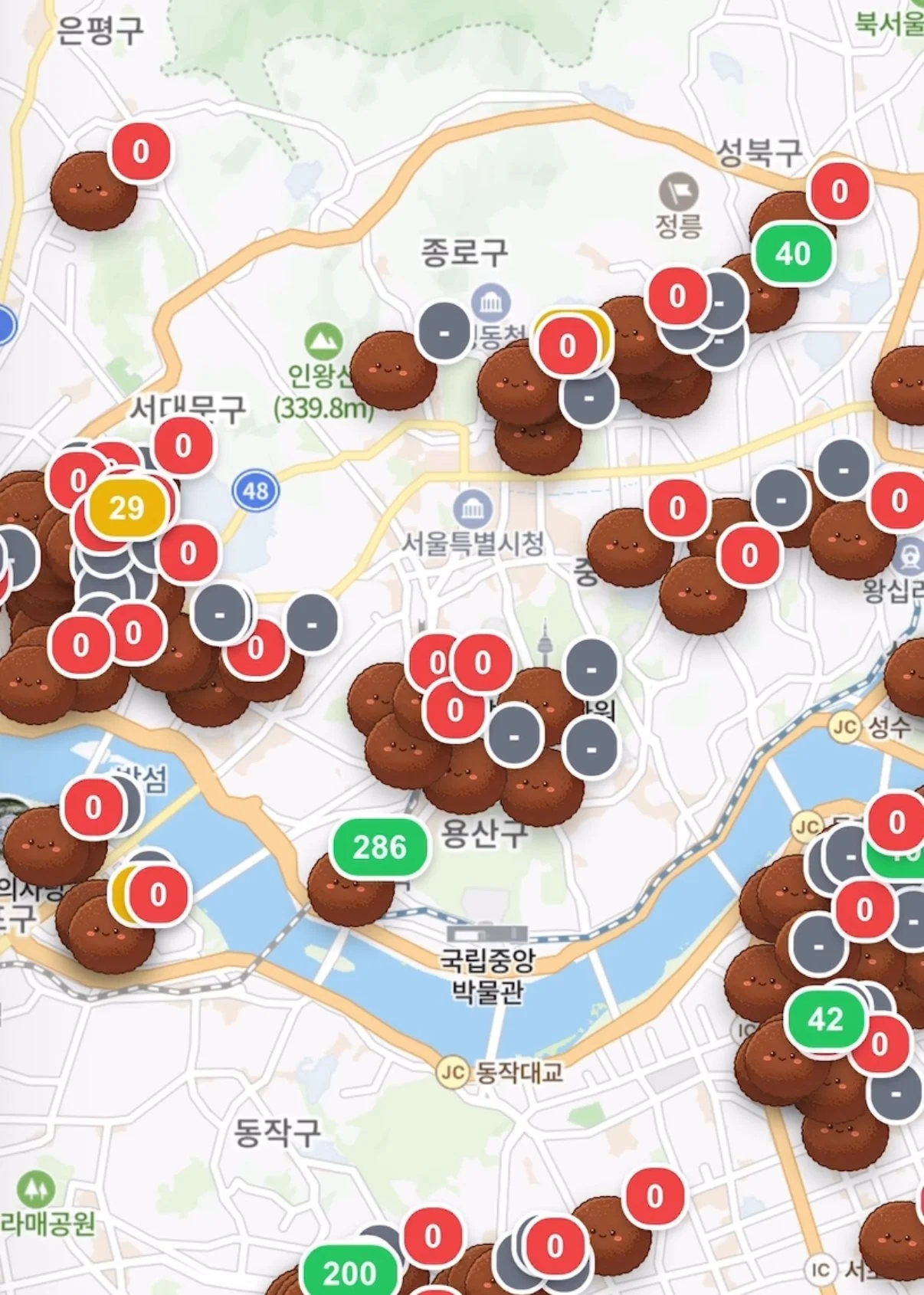
So popular that it has its own map?
The popularity of 두바이쫀득쿠키(두쫀쿠) has grown to the point where it is no longer just discovered through individual café posts. In Korea, user-curated maps now circulate online showing which cafés sell dubai chewy cookie, reflecting how actively people search for it by location rather than definition. Searches such as “두쫀쿠 지도 (dubai chewy cookie map)” have become common, indicating that the dessert has moved into a destination-based trend stage, where limited daily batches and frequent sell-outs make crowdsourced maps the most practical way to track availability.
Access the map here → www.dubaicookiemap.com
How Dubai Chocolate Turned Into Dubai Chewy Cookie in Korea
Korean media essentially describes two phases:
Phase 1: Dubai chocolate becomes a reference point
The pistachio-kadayif combo becomes “the taste/texture people recognize as Dubai.”
Phase 2: Korea remixes it into a new format optimized for Korean texture preference
Dubai Chewy Cookie keeps the crunch + nutty richness, but adds:
marshmallow’s chewiness
a ball shape (portable, giftable, easy to film)
cocoa dust finish (confection aesthetic)
easier DIY replication than importing a specific bar
Korean coverage explicitly points out that the dessert is video-friendly: the cut surface, crunch sound, and stretch are basically designed for reels/tiktoks.
Why It Blew Up: The Real Drivers (Not Just “It Tastes Good”)
1) It is built for short-form video
The moment you cut it open, you get:
visible layers
crunch audio
stretch
glossy filling
That’s retention. Korean reporting highlights exactly this visual/ASMR factor as a core reason the trend spread.
2) Chewiness is a cheat code in Korea
Korean consumers already reward chewy textures (rice cake, mochi, chewy breads). The word “쫀득 (chewy)” itself is marketing.
3) The DIY loop accelerated it
Compared to tracking down an imported “Dubai chocolate bar,” dubai chocolate cookie is easier to recreate at home if you can source:
pistachio paste/spread
kadayif (or substitutes)
marshmallows
cocoa
Marketing analysis in Korea notes that the lower barrier helped recipe content spread faster.
4) It’s flexible: the name stays even if ingredients change
This is why you see constant variations—and why it becomes a menu item beyond dessert-only cafés.
The “Kadayif Substitution” Controversy (And Why It Matters for the Trend)
Once something becomes popular enough, the market does what it always does: it tries to scale cheaply.
A recent Korean report describes controversy where a seller allegedly used somyeon (thin wheat noodles) instead of kadayif and sold it at a high price, raising issues of disclosure and authenticity.
This matters because kadayif isn’t just “some crunchy thing.” It’s part of the dessert’s identity:
it creates the crunch sound
it signals “Dubai chocolate” lineage
it supports the premium pricing story
When it’s replaced without clear notice, it turns into a trust problem—which ironically drives even more discussion and searches.
FAQ on Dubai Chewy Cookie?
Is it a real cookie?
Not in the baked-cookie sense. It’s a shaped dessert ball with a marshmallow shell and pistachio-kadayif filling.
Is it actually from Dubai?
The format trending in Korea is a Korean trend dessert, but it borrows the pistachio+kadayif identity from the earlier Dubai chocolate wave.
Why is kadayif important?
It creates the crunch and ties the flavor/texture to the Dubai chocolate reference point.
The Bottom Line: What Dubai Chewy Cookie Represents
Dubai Chewy Cookie is a modern trend dessert built from:
the viral Dubai chocolate ingredient identity (pistachio + kadayif + chocolate)
Korean texture preference for “쫀득” chew
and social media mechanics (cut-open reveal + crunch + stretch)
That combination is why it spread beyond cafés, why DIY attempts exploded, and why even controversies about substitutions became headline material.
If the trend continues, it won’t be because “Dubai” as a place is driving it. It’ll be because the dessert is basically optimized for how people discover food in 2026: through short videos, texture obsession, and a name that signals “premium, viral, must-try.”
